

Blog
Invite your friends
It's always more fun to train with friends
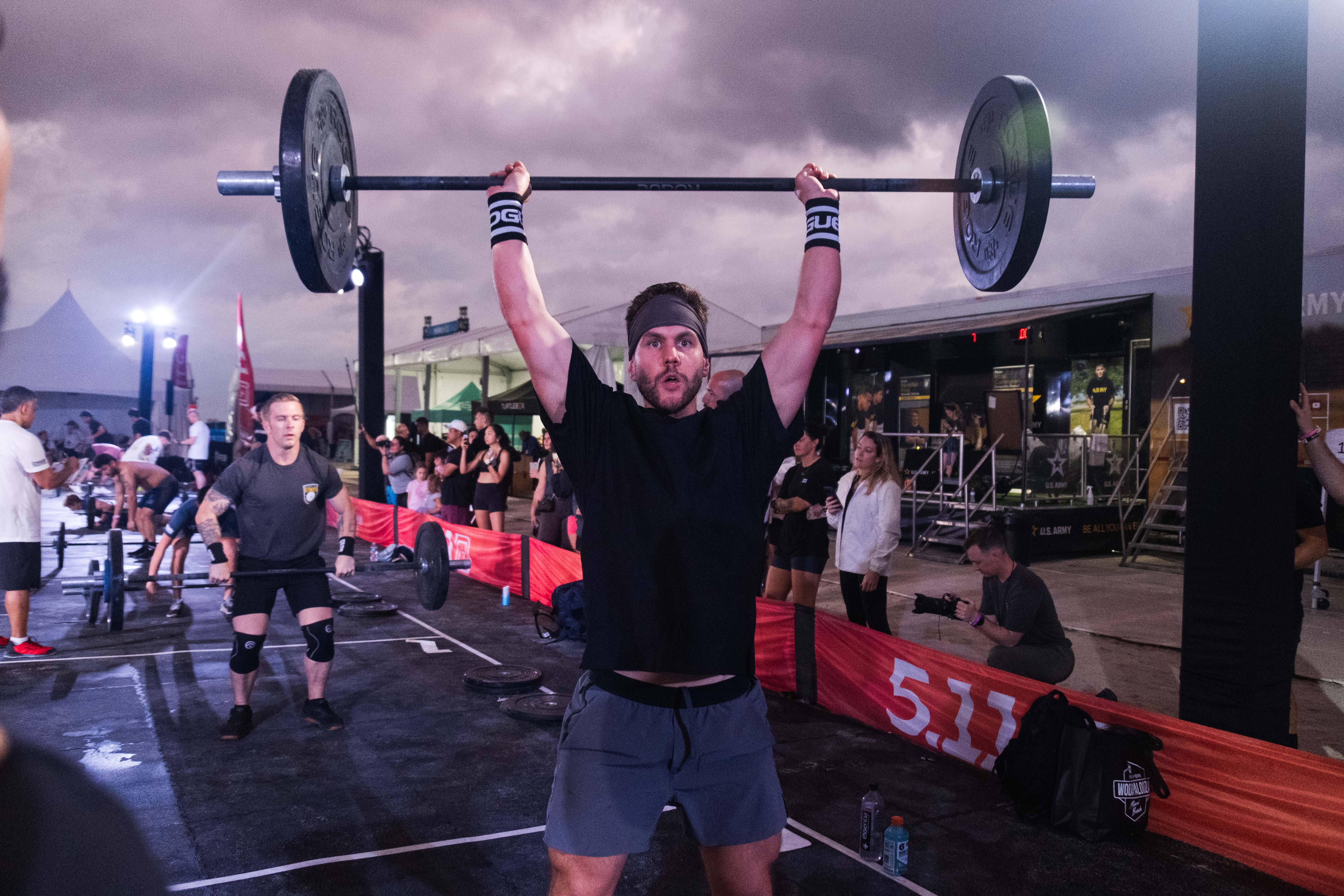
If You're Not Tracking, You're Guessing: Why Benchmarking Matters
One of the things I wish more people understood about training is just how important it is to track what you're doing.
Not just when you hit a PR. Not just when you crush a workout. Every day.
This is something we've believed in at Team Soul since the beginning, and a lot of that philosophy comes directly from our roots in CrossFit.
It Goes Back to the Early Days of CrossFit
When Greg Glassman founded CrossFit, one of the things that made his approach different was the emphasis on making fitness measurable.
In his original 2002 CrossFit Journal article, What Is Fitness?, Glassman challenged the way we traditionally defined fitness.
Fitness wasn't just about looking good, sweating, or feeling exhausted after a workout. It was about developing actual physical capacity and having a way to measure it.
That philosophy became a cornerstone of CrossFit's Level 1 methodology. Fitness could be observed, measured, and tested repeatedly.
In September 2003, Glassman introduced the original six benchmark workouts in the CrossFit Journal.
He explained that these workouts would be used to measure performance and improvement through repeated appearances in the Workout of the Day.
That's an important point.
These workouts weren't created just to beat people up. They were created to measure progress.
Think about Fran, Helen, Grace, Cindy, or any of the other classic CrossFit benchmarks.
They're tests.
We train to develop our fitness, and periodically we test that fitness to see whether our training is actually working.
You don't need to do Fran every week to improve your Fran time. You need to get stronger, improve your conditioning, develop your gymnastics, and become more efficient.
Then, when Fran comes around again, we get to see what happened.
That's the whole point.
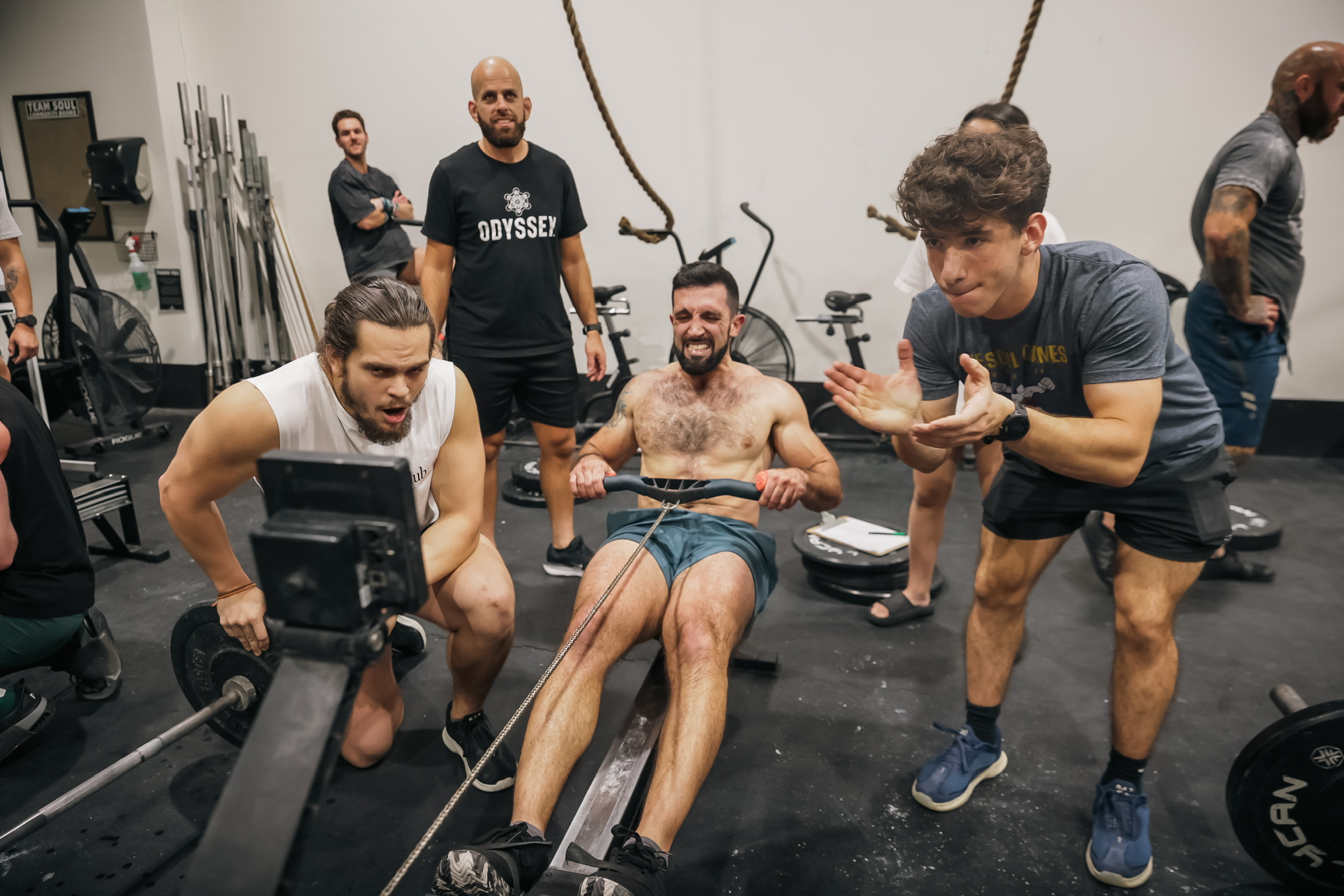
Why We Need to Write Things Down
One of the things I love about early CrossFit was how everyone posted their workout scores in the comments section of CrossFit.com.
This was before SugarWOD and all the training apps we have today.
You did the workout, recorded your result, and shared it with the community. You could look back at previous results, compare your performance, and see how other people approached the same workout.
It was simple, but it worked.
And honestly, it's something I think we need to put more emphasis on again.
At Team Soul, we regularly program benchmark workouts and repeatable tests in our CrossFit and fitness classes.
But here's the problem. If you don't record your results, you lose one of the most valuable parts of the workout.
How much weight did you use last time? What was your score? Did you scale the pull-ups? Did you run or row? Were you able to finish under the time cap?
If you can't answer those questions, how are you supposed to know whether you've improved?
I'm not suggesting you need to obsess over every number. I'm suggesting you take 30 seconds after class to record what you did.
That's it.
The Leaderboard Isn't Just for Competitive Athletes
I think this is where a lot of people get it wrong.
They see a leaderboard and assume it's for the competitive athletes, the people doing everything RX, or the strongest people in the gym.
It's not.
The leaderboard is for everyone.
Maybe you're a 25 year old athlete trying to qualify for a major competition. Maybe you're a 45 year old mom who started working out six months ago. Maybe you're a 60 year old member who just wants to stay strong, healthy, and independent.
All three of you should be recording your workouts.
And all three of you have something worth celebrating.
Maybe your Fran time went from 10:00 to 8:30. Maybe you used a heavier kettlebell. Maybe you did your first workout with regular push-ups instead of modifying them.
That's progress.
And when we log workouts on SugarWOD, leave comments, give fist bumps, and celebrate each other's accomplishments, we're doing something beyond collecting numbers.
We're building community.
It's one of the things that originally made CrossFit special. The shared suffering, the encouragement, the friendly competition, and the relationships built around doing difficult things together.
And that community extends beyond the walls of our gyms. Someone training at Team Soul Miami can celebrate someone training at Team Soul Fort Lauderdale. Someone following our online training programs through SugarWOD can participate in that same experience from anywhere.
That should include everyone, regardless of ability or location.
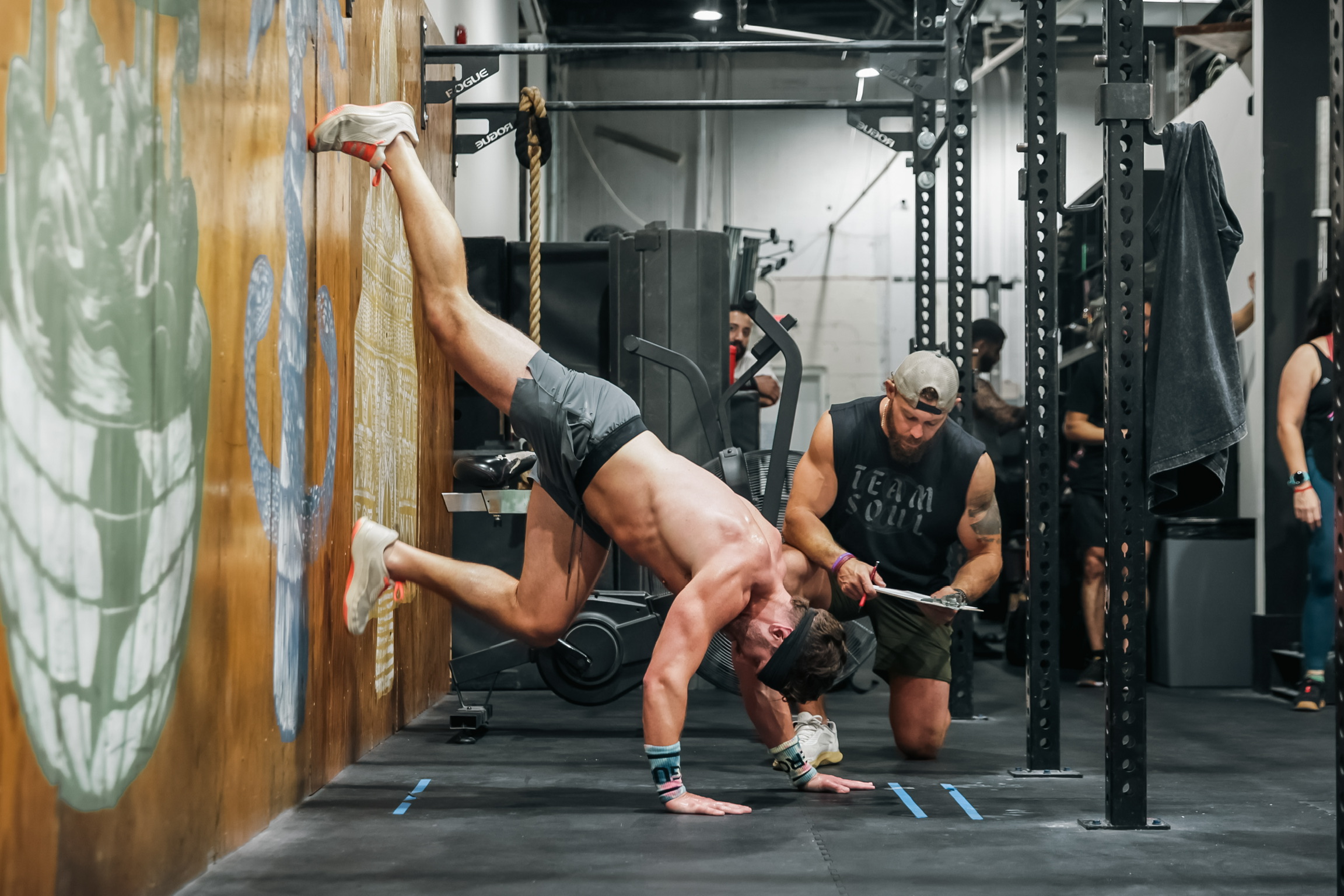
This Applies to Every Type of Training
Although this philosophy came to us through CrossFit, it's certainly not exclusive to CrossFit.
Look at strength training.
If you're following a strength program, how do you know what weight to use if you haven't recorded what you lifted previously?
How do we evaluate whether you're getting stronger, whether the program is working, or whether it's time to make adjustments?
We need data.
It's a big part of how we approach our strength training cycles at Team Soul. We aren't just randomly lifting weights every week. We're following a plan, evaluating progress, and making adjustments along the way.
The same applies to Olympic weightlifting. We track lifts, percentages, volume, and performance because those numbers help guide training decisions.
For runners, we look at distances, paces, heart rates, and effort. Running the same pace at a lower heart rate might tell us something meaningful about your aerobic development.
For grapplers and combat sports athletes, tracking strength and conditioning helps us understand how their physical preparation is progressing alongside the demands of their sport.
And for someone focused on weight loss or general health?
The data is just as important.
Your weight might not have changed much, but maybe your waist measurement has. Maybe you're getting stronger. Maybe you can run a mile without stopping, or you're recovering faster between workouts.
Those things matter.
Not everything that matters shows up on a scale, and not every improvement is a personal record.
That's why we collect information over time. It helps us see the bigger picture.
The Other 99%
Most people who walk through our doors aren't trying to become professional athletes.
They're trying to get healthier, stronger, more capable, and feel better about themselves.
They have jobs, families, responsibilities, and a million things going on outside the gym.
I understand that.
But I would argue that tracking progress is just as valuable for those people as it is for our most competitive athletes.
Imagine someone who has been consistently attending classes three days a week for an entire year.
They might not notice how much they've improved because those changes happen gradually.
Then they look back at a workout they completed nine months ago and realize they're lifting 30 pounds more, finishing several minutes faster, or performing movements they couldn't do before.
That's incredibly rewarding.
And sometimes that's exactly what someone needs to stay motivated.
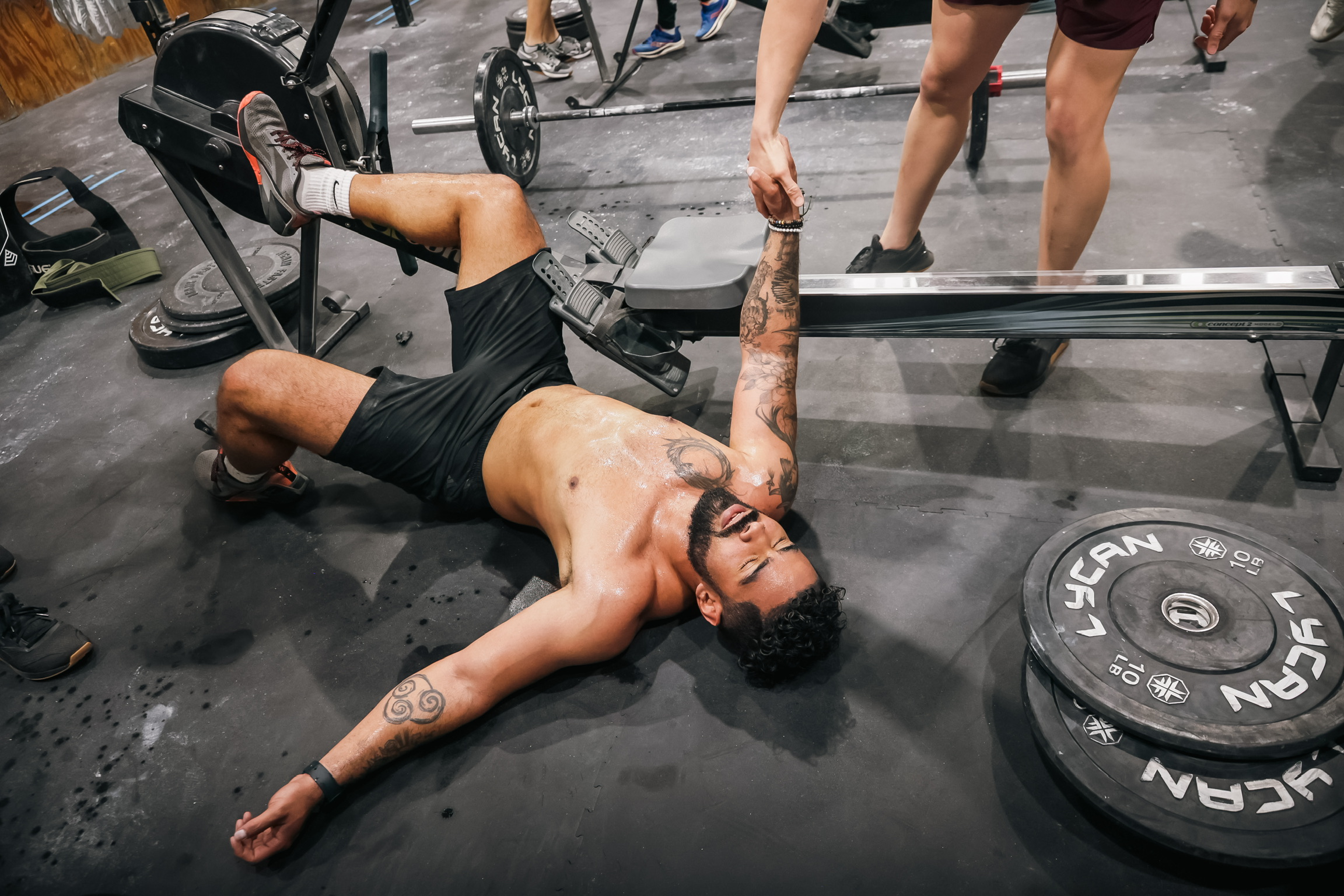
Make It Part of Your Routine
Here's what I'd like to see from everyone training at Team Soul, whether you're at Miami, Fort Lauderdale, or following one of our programs remotely.
Start logging your workouts. Every single day.
Use SugarWOD or whatever training log your program calls for.
Record your weights, times, repetitions, scaling, and anything else that might be relevant.
Log the great days. Log the terrible days. Log the days when you're tired and just happy you showed up.
We don't need every training session to be a competition. In fact, most of your training shouldn't be.
But we should be paying attention to what we're doing.
The information helps you make better decisions, helps us become better coaches, and gives all of us a clearer understanding of whether the work is producing results.
We've been doing this at Team Soul since 2009, and I think it's worth reminding everyone why it matters.
Your training should have a purpose. Your progress should be measurable. And your accomplishments deserve to be recognized.
Take the extra minute after your next workout.
Log your score. Look back at your previous results.
You might be surprised by how far you've come.
Danny Soul
Team Soul Training



Designed and developed
by zen planner