
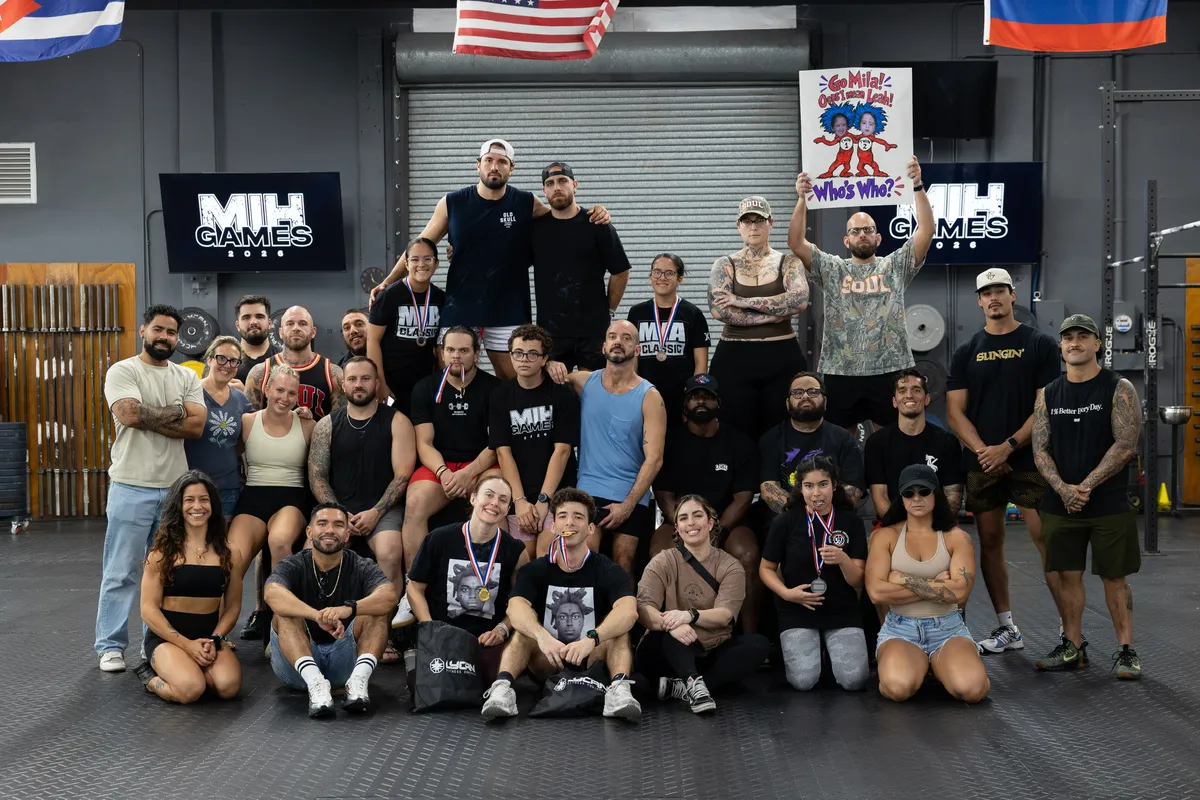
Team Soul Training 2027: The Road to Wodapalooza
The Road to Miami Starts Now
Our next Team Soul Training cycle begins Monday, November 2, 2026 and runs for 19 weeks. This cycle takes us through the Wodapalooza Online Challenge and Qualifier, XENOM Miami, the Magic City Games qualifier, the 2027 CrossFit Open, and finally Wodapalooza Miami.
We have a lot to prepare for, but the goal is not to throw more work at everyone. The goal is to make the work more focused. We are going to bring our weightlifting, strength, battery, gymnastics, conditioning, and assistance work together in a way that makes sense for the season ahead.
This cycle is built for athletes preparing to compete, athletes who want to test themselves in the Open or an online qualifier, and athletes who simply want to train with more purpose. Whether you follow TST at Team Soul Miami, Team Soul Fort Lauderdale, or remotely through our online programs, you do not need to be chasing an invitation to Miami to benefit from it.
Important Dates
The Wodapalooza Online Challenge and Qualifier runs November 5 through November 16, 2026.
XENOM Miami takes place December 19 and 20, 2026 at the Miami Beach Convention Center.
The Magic City Games qualifier begins January 15, 2027. Week one runs January 15 through January 21. Week two runs January 22 through January 28. The athletes who qualify will compete in Birmingham, Alabama on September 18 and 19, 2027.
The 2027 CrossFit Open runs February 18 through March 8, 2027.
Wodapalooza Miami takes place March 11 through March 14, 2027.
These qualifiers and events are not interruptions to the cycle. They are part of the cycle. They give us opportunities to test the training, learn from the results, and make better decisions as we move forward.
Weightlifting and Strength Work
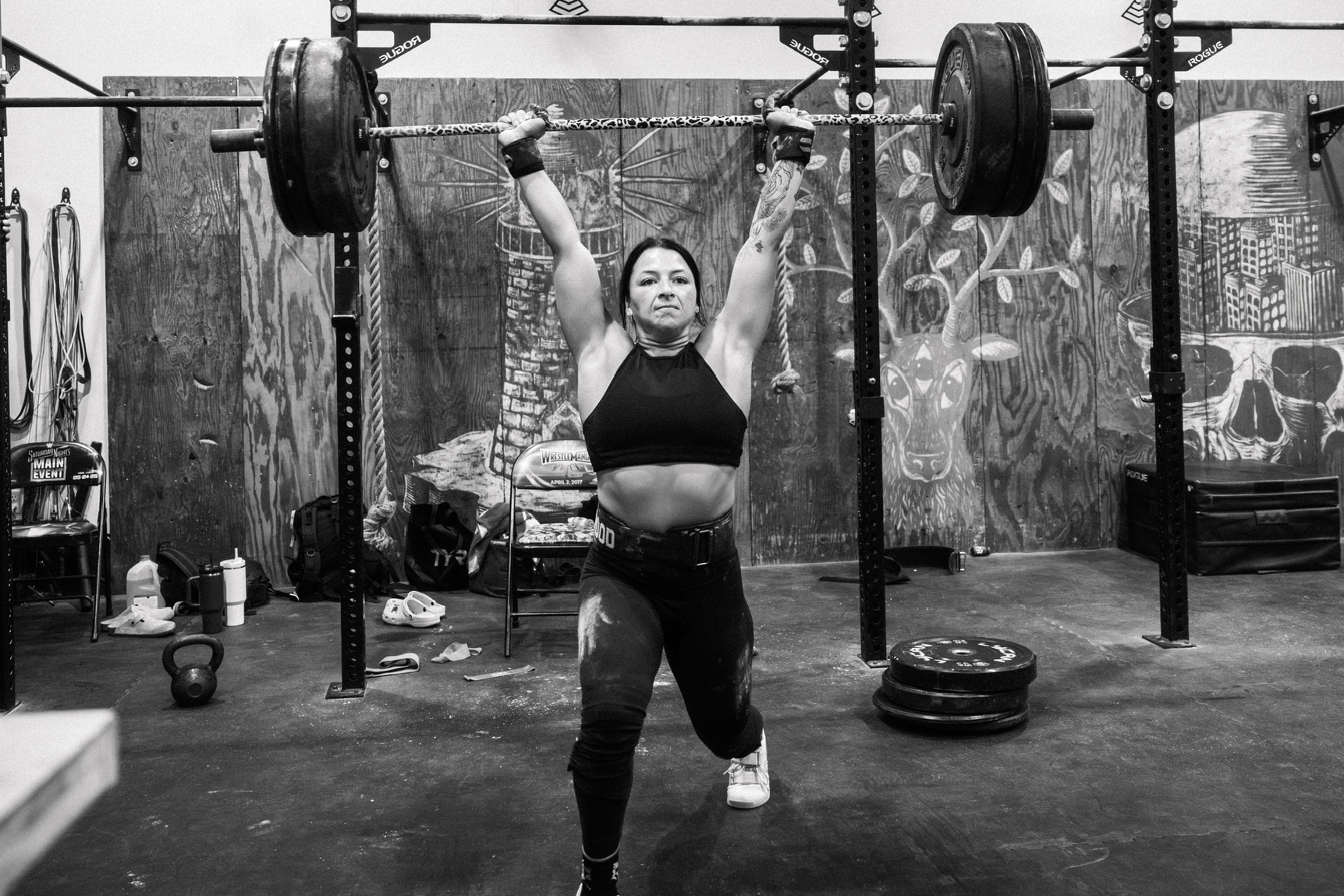
Historically, we have separated our strength work, Olympic weightlifting, and battery training. For this cycle, all three will live inside one training segment.
Our Olympic weightlifting will take a two tiered approach. Technical Snatch and Clean & Jerk work will be guided by RIR and may be placed before our strength work as a separate training segment. It is not part of the conjugate session. The goal is to improve positions, timing, speed, and consistency without turning every weightlifting session into a maximal session.
RIR means Reps in Reserve, or how many additional good reps an athlete could complete before failure. A prescription of 4 RIR should feel smooth and controlled. A prescription of 2 RIR should feel challenging while maintaining quality. Choose loads that support the purpose of each session.
Our heavier Olympic lifting will show up through battery work on Wednesdays.
Wednesday Battery Progression
Battery work teaches athletes to lift heavy, recover, and continue working with meaningful loads while fatigued.
A classic example would be a heavy power clean single, followed by three minutes of rest, followed by an eight minute AMRAP using 80 to 90 percent of the heavy single from that day.
We will build this work progressively instead of jumping directly into full competition style sessions.
Phase One: EMOMs and Bottleneck Work
We will begin with controlled EMOMs and bottleneck structures. These sessions will allow athletes to practice repeatable lifting under manageable fatigue. The focus will be on quality reps, efficient setup, consistent pacing, and understanding where technique begins to break down.
Here is an example:
Power Clean
Build to a Heavy Single @ 2 RIR
Rest 3:00
10:00 EMOM
2 Power Cleans @ 75–80% of Today's Heavy Single
A bottleneck version could use five rounds of six burpees over the bar followed by two power cleans at the same percentage. Athletes rest for the remainder of a two minute window. The structure is simple, which allows us to control fatigue and watch the quality of every lift.
Phase Two: Machines and Battery Work
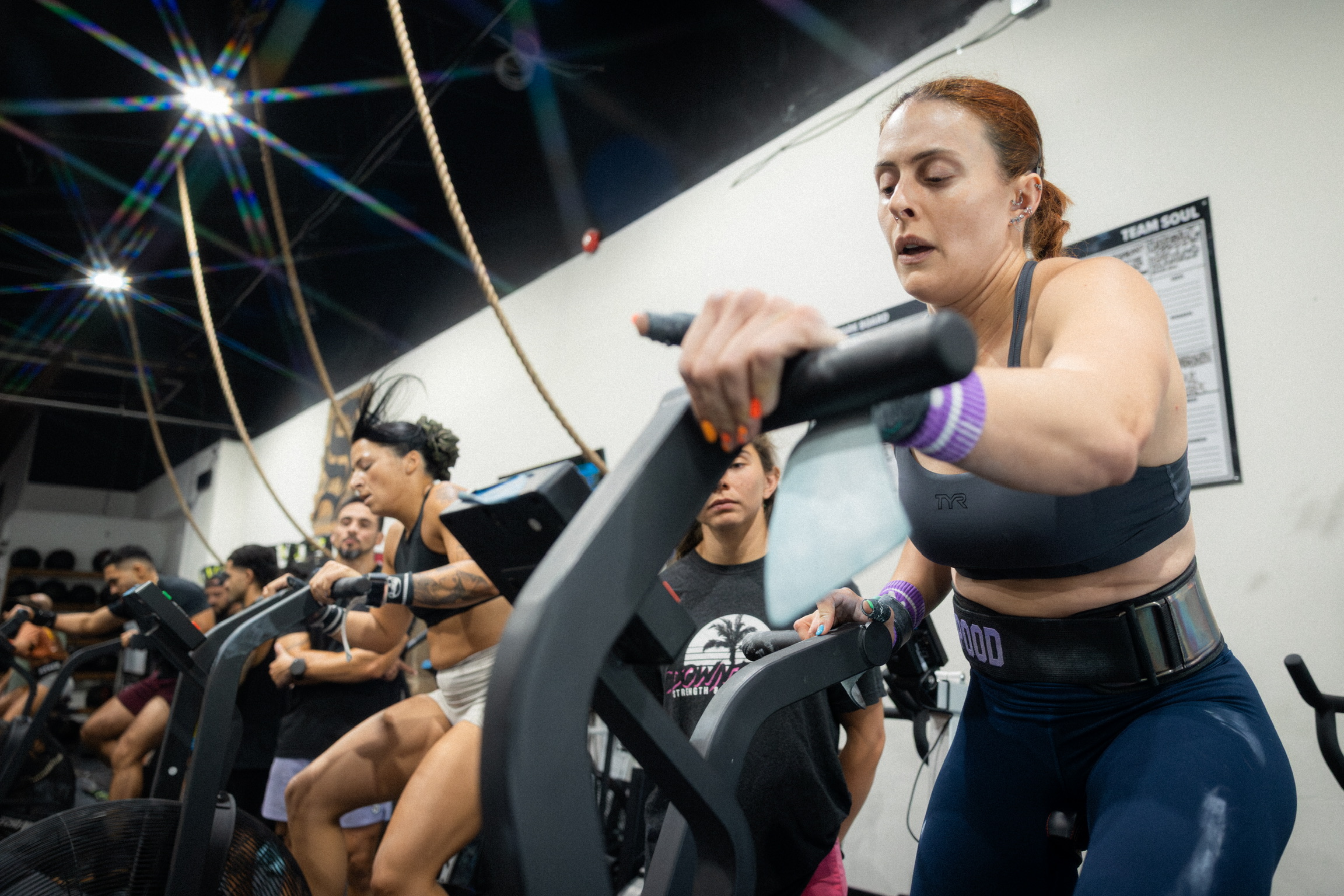
Next, we will blend machines with the barbell. The rower, bike, and ski erg will create fatigue before or between lifting efforts. Athletes will learn how to control their breathing, transition efficiently, and lift well when the heart rate is elevated.
Here is an example:
Power Clean
Build to a Heavy Single @ 2 RIR
Rest 3:00
8:00 AMRAP
10 Cal Echo Bike
3 Power Cleans @ 80% of Today's Heavy Single
The machine should create fatigue, but the barbell still needs to look like weightlifting. The goal is not to survive ugly reps.
Phase Three: Mixed Battery Sessions
As we get closer to the Open and Wodapalooza, the battery work will become more sport specific. Sessions will include heavier lifts, percentages from the day, gymnastics, machines, transitions, and competition style pacing.
Qualifier and competition weeks will help us test this progress. Supporting volume may be reduced during those weeks so athletes can perform well and recover.
Here is an example:
Clean
Build to a Heavy Single @ 2 RIR
Rest 3:00
12:00 AMRAP
6 Chest to Bar Pull Ups
8 Cal SkiErg
2 Cleans @ 80% of Today's Heavy Single
At this point, the athlete must manage lifting, gymnastics, machine work, transitions, and pacing. That is much closer to what we expect in an online qualifier or competition.
Conjugate Strength Training for Competitive CrossFit
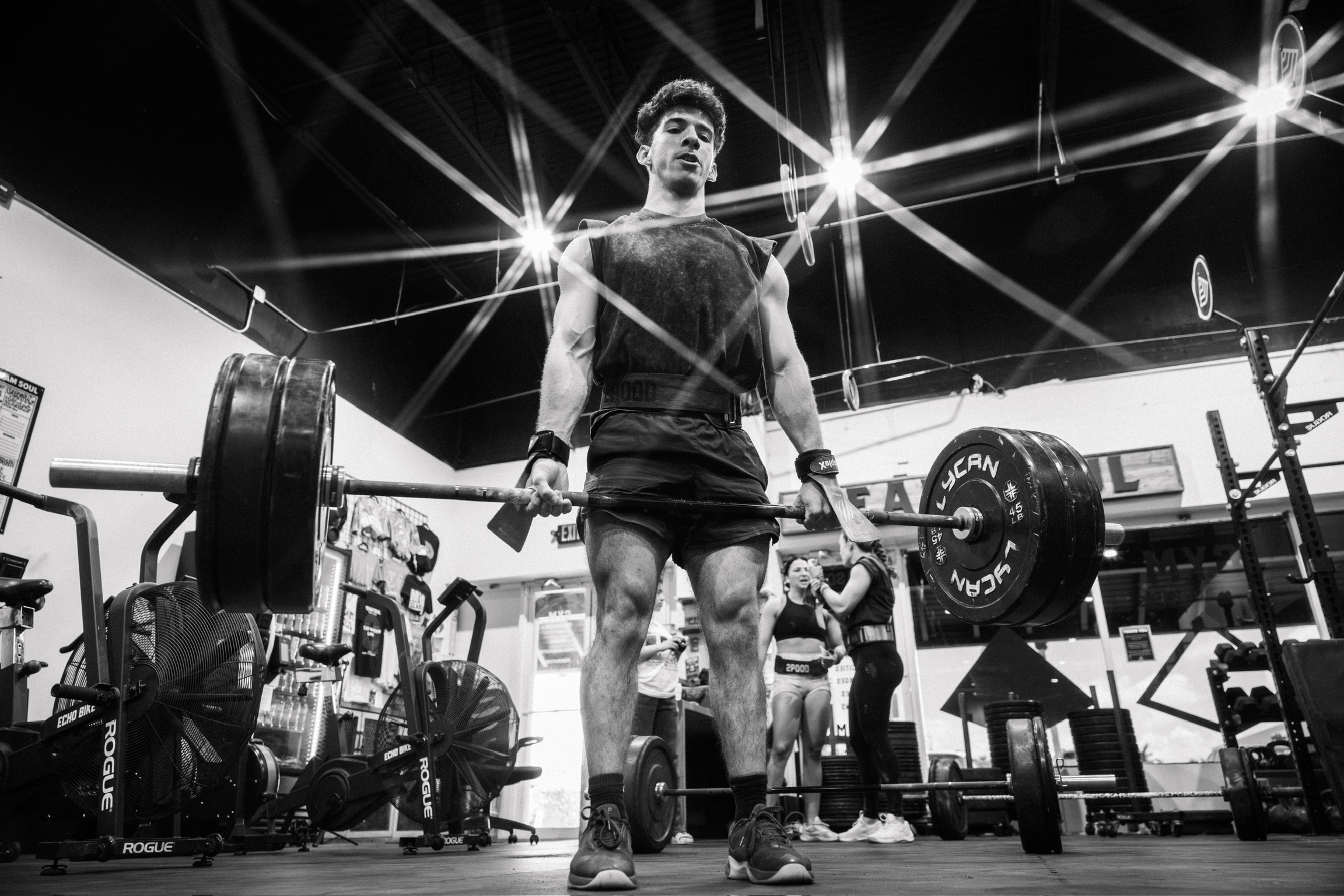
Our strength work will rely on conjugate methods. This is a model we have used with several high performing TST athletes in the past with great success.
This is not a linear strength program. We are not going to repeat the same lift every week and slowly add weight until the cycle ends. The inspiration comes from Westside Barbell and Louie Simmons. We will rotate exercises, train different strength qualities, and use both maximal effort and dynamic effort work.
For CrossFit athletes, the conjugate model gives us a way to continue building strength without becoming overly attached to one lift or one progression. We can address weak positions, develop speed and power, expose athletes to heavy work, and select exercises that support the demands of the sport.
Exercise selection will be simple and familiar. We want lower skilled movements that athletes are already adapted to so they can train hard without spending the session learning a complicated variation. We are not going to use unusual specialty exercises just for the sake of being different.
Especially as we prepare for in person competition, we will also use strongman elements inside the conjugate work when they make sense. Sandbag cleans, shouldering, carries, loading, and holds give us a practical way to build awkward object strength and prepare athletes for implements that may show up on the competition floor.
You will also see more sled work throughout the cycle. Sled Pushes, pulls, and drags allow us to develop leg drive, work capacity, and strength without adding as much eccentric stress as another barbell session. Depending on the week, the sandbag or sled may be used as a main variation, supplemental strength work, or a bridge into conditioning. We will use these tools with intent and place them where they support the larger goal of the week.
Monday will be maximal effort lower body. Tuesday will be maximal effort upper body. Friday will be dynamic effort lower body. Saturday will be dynamic effort upper body.
Sample Conjugate Sessions
These examples show only the conjugate portion of the training day. Exercise selection will rotate, but the movements will remain simple and familiar.
Monday: Max Effort Lower
Low Box Back Squat
Build to a Heavy Set of 3 @ 1 RIR
2 x 3 @ 90% of Top Set
When appropriate, finish with 4 controlled sandbag bear hug carries of 100 feet. The sandbag is there to build useful strength for in person competition, not to turn the session into another conditioning workout.
Tuesday: Max Effort Upper
Close Grip Floor Press
Build to a Heavy Set of 5 @ 1 RIR
2 x 5 @ 90% of Top Set
Friday: Dynamic Effort Lower
Speed Box Squat
10 x 2 @ 50–60%
Rest :45–1:00 Between Sets
Box Jump
5 Sets x 3 Reps
*Explosive takeoff, controlled landing.
Sled Push
6 x :20
Rest 1:00 Between Efforts
Saturday: Dynamic Effort Upper
Speed Bench Press
9 x 3 @ 45–55%
*Rotate Close, Medium, and Wide Grips
Rest :45 Between Sets
Explosive Push Up
5 x 5 Quality Reps
The goal on dynamic effort days is speed. If the bar starts slowing down, the load is too heavy. Maximal effort days should be heavy, but the reps should not become a technical mess. We are building strength and power that transfer to the sport.
Deloading the Conjugate Work
We will deload our conjugate work every four weeks. The deload is not a week off. We will reduce the total number of sets, bring the intensity down, and use simpler exercise variations so athletes can recover without losing the rhythm of the training.
During a deload, Max Effort work may be capped at 2–3 RIR instead of pushing toward 1 RIR. Dynamic effort work will keep the focus on speed, but with fewer total sets. Sandbag and sled volume will also be reduced when needed so the deload actually creates room to recover.
This gives us three weeks to build and one week to pull back, recover, and prepare for the next wave. The competition calendar may influence the exact exercise selection, but the four week deload rhythm will remain part of the cycle.
Olympic lifts and their derivatives, including Snatch Pulls and Clean Pulls, are not part of our conjugate strength work. Technical Snatch and Clean & Jerk work may appear before strength, but they remain a separate weightlifting segment with their own RIR targets and intent.
Assistance Work
Assistance exercises that previously lived inside the strength segment will now be featured in our Assistance work.
Athletes with more time can move these exercises into their strength session or use them as finishers after conditioning. Athletes with limited time can skip them when needed.
This is where additional strength work, unilateral work, core training, trunk work, and other accessories will live. It will be much leaner than what has traditionally been included in TST.
Gymnastics
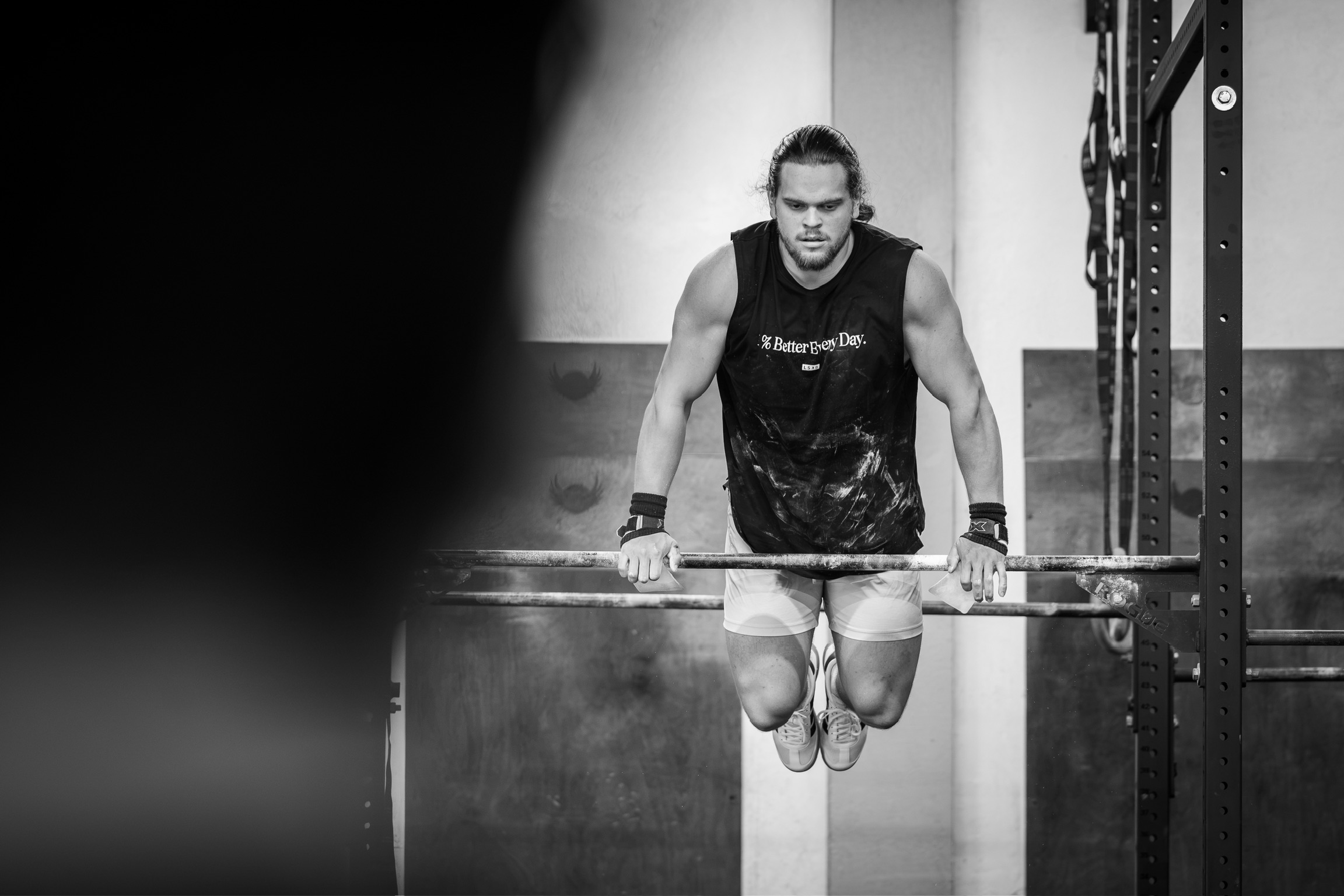
The first part of this cycle will focus on technical, strict, tempo, and slower gymnastics work. We want to strengthen the muscles, connective tissue, and positions that support higher skill gymnastics later in the season.
We will also include plenty of core work. Better trunk strength and positioning will help athletes create better shapes, maintain control, and express their gymnastics skills more efficiently.
As the cycle progresses, the gymnastics work will become more sport specific. We will introduce more volume, more fatigue, more complex combinations, and more competition style structures.
There will not be a permanently assigned gymnastics day. Pay attention to the full week so you do not miss the work. We will provide notes, progressions, and options for athletes who need additional support.
Conditioning
Our primary conditioning sessions will focus on the demands of the events we are preparing for. Early in the cycle, that includes online qualifiers and XENOM Miami. Later, the focus shifts toward the CrossFit Open and Wodapalooza.
Primary conditioning will develop the pacing, movement combinations, transitions, and repeatability needed for competitive CrossFit.
Secondary conditioning will focus more on energy system development, recovery, and additional volume for athletes who need it. Tuesday will remain our mandatory track and running day for second sessions.
Not everything every athlete needs must be written into one training day. Secondary work is there to solve a specific problem, not simply to make the program look harder.
How to Prioritize the Program
For athletes with limited time, the Primary sessions are the number one priority.
There is no need to cram two sessions into one. More work is not automatically better work. If you only have time for the Primary session, complete it with intent and move on with your day.
At TST, we use volume as a strategy to prepare athletes for in person competition. We do not believe every athlete should perform double sessions or high volume training throughout the entire year.
Use the secondary sessions and assistance work when your schedule, recovery, goals, and training experience support them. Do not treat optional work like a daily test of commitment.
Follow Team Soul Training
The cycle begins Monday, November 2, 2026.
Follow the program through SugarWOD and log your scores, weights, scaling choices, and notes. That information helps you understand your own progress and gives our coaches better feedback as the cycle develops.
Learn more about Team Soul Training and join the program through SugarWOD.
We have 19 weeks to build, test, adjust, and prepare. See you guys on the floor. XO
Danny Soul
Team Soul Training


